
You open a group chat. A friend drops a meme. Within seconds the replies fill up with “LMAO.” But did everyone really laugh that hard? Probably not.
LMAO is one of the most common laughing acronyms in American texting, yet its meaning shifts with tone, platform, and audience. This guide explains what LMAO stands for, where it came from, how people use it in 2026, and when you should skip it.
Definition & Meaning
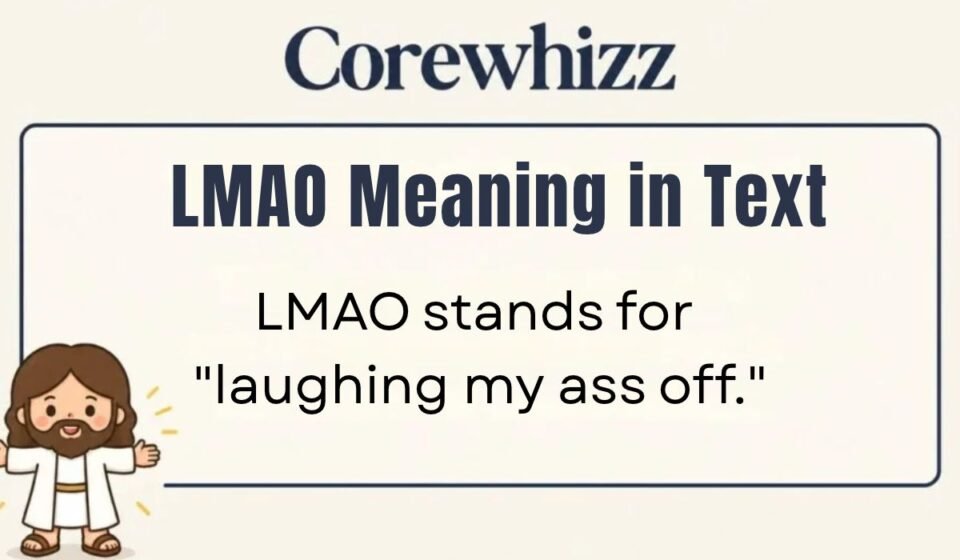
LMAO stands for “laughing my ass off.” It is an internet slang acronym used in texting, social media, and online chats to show that something is very funny.
It works like a stronger cousin of LOL (laughing out loud). Where LOL can be a polite nod, LMAO signals bigger amusement, at least on paper.
LMAO Profile Summary
| Feature | Details |
| Full form | Laughing my ass off |
| Type | Acronym, internet slang |
| Core meaning | Something is very funny |
| Intensity | Medium to high, stronger than LOL |
| Tone | Casual, playful, sometimes sarcastic |
| Origin era | 1990s online chat rooms and instant messaging |
| Popular platforms | Text messages, Instagram, X, TikTok, Snapchat, Discord |
| Formality | Informal only |
| Common variants | LMFAO, LMAOO, lmao, Lmao |
| Best audience | Friends, peers, close coworkers |
| Avoid with | Clients, managers, formal emails |
| 2026 trend | Often typed in lowercase as a dry reaction |
How It’s Used
People use LMAO in a few simple ways:
- As a reaction: Replying to a joke, meme, or video.
- As an intensifier: Adding it after your own joke to show you are in on it.
- As a softener: Making a blunt comment feel lighter.
- As a filler: Ending a message so the chat feels friendly.
Here are quick examples:
- “You wore two different shoes to work? LMAO”
- “Bro that ending was unreal lmao”
- “I forgot my own birthday lmao”
Background & History
LMAO grew out of early chat room culture in the 1990s. People typed fast, screens were small, and emotion was hard to show without a face or a voice. Short acronyms solved that problem.
LOL came first and became the default laugh. Over time it lost punch because people typed it even when they were not laughing. Users wanted something stronger, so they reached for LMAO and its louder sibling LMFAO.
The rise of SMS texting, then smartphones, then apps like Snapchat and TikTok kept the term alive. Today LMAO sits next to emoji, GIFs, and voice notes as part of how Americans show humor in writing.
Two things changed the term over the years:
- Meaning drift: It went from “I am truly roaring” to “I saw your message and found it funny.”
- Style drift: Capital letters once meant shouting. Now lowercase “lmao” often feels more relaxed and more natural.
Read More Blog: What Does NTY Mean in Text? Meaning, Tone, and Examples 2026
Usage in Different Contexts
The same three letters can carry very different feelings. Context and tone decide everything.
| Context | What LMAO Usually Means | Example |
| Real laughter | Something was truly hilarious | “That video killed me LMAO” |
| Polite reaction | Acknowledging a joke | “Nice one lmao” |
| Sarcasm | Not funny at all, or in disbelief | “You want me to pay for that? LMAO” |
| Nervous energy | Covering an awkward moment | “I just sent that to the wrong chat lmao” |
| Mocking | Laughing at someone, not with them | “Imagine losing to that team LMAO” |
| Agreement | Relating to a shared experience | “Same lmao” |
Some quick reading tips:
- Capital letters often show stronger amusement or louder sarcasm.
- Extra letters (LMAOOO) show extra enthusiasm.
- A period after it (“lmao.”) can feel flat or dry.
- Emoji next to it usually confirm the mood.
Key Takeaway
LMAO is a mood marker, not a measurement. Read the sentence around it, the sender’s usual style, and the platform before deciding what it means.
Suitability for Professional Communication
In most American workplaces, LMAO belongs in friendly chat, not formal writing. Some offices with relaxed Slack or Teams culture accept it, but you should always read the room first.
When It’s Okay
- In a casual chat with a coworker you know well.
- In a relaxed team channel where others already use slang.
- In a quick reply to a shared joke, after the serious work is done.
- In startup or creative teams with an informal culture.
When to Avoid
- In emails to clients, managers, or recruiters.
- In job applications, cover letters, or interviews.
- In customer support replies.
- In serious topics such as complaints, layoffs, or bad news.
- With people from older generations who may read it as rude or confusing.
Quick rule: If you would not say “I am laughing my ass off” out loud in that setting, do not type LMAO.
Hidden or Offensive Meanings
LMAO has only one standard meaning, but it can still cause trouble in a few ways.
- Profanity: The word “ass” is part of the phrase. Some people find it crude, especially in school, church, or family settings.
- Mockery: Typing LMAO after someone shares a mistake, a loss, or a personal story can feel cruel.
- Dismissiveness: Using it in reply to a serious message can look like you did not take the topic seriously.
- Sarcasm confusion: A sarcastic LMAO may be read as real laughter, or the other way around.
- Generational gap: Parents, teachers, and older coworkers may not know it or may dislike it.
Also, do not confuse LMAO with similar looking acronyms. LMA and LMK mean different things, and mixing them up can create awkward replies.
Usage in Online Communities & Dating Apps
Each platform has its own habits, and LMAO adapts to all of them.
Social Media
On Instagram, X, TikTok, Snapchat, and Discord, LMAO shows up in comments, captions, replies, and group chats. It is often paired with a skull emoji or a crying laughing emoji for extra effect.
- Comments: Short and quick, usually lowercase.
- Gaming chats: Often used after a funny fail or a lucky win.
- Group chats: A way to keep the mood light and show you are paying attention.
- Memes: Frequently used as the punchline itself.
On social media, LMAO also works as a social signal. It tells others that you belong to the same joke, the same community, or the same age group.
Dating Apps
On Hinge, Bumble, Tinder, and similar apps, LMAO can help or hurt.
- Good sign: A match replies “lmao” to your joke. It usually means your humor landed.
- Neutral sign: A short “lmao” with no follow up can mean they are busy or only lightly interested.
- Bad sign: Using LMAO after every message can look like you have nothing else to say.
Tip: On a dating app, pair LMAO with a real reply. For example, “lmao okay that is a great answer, what is your worst travel story?” keeps the chat moving.
Comparison with Similar Terms
People often mix up laughing acronyms. This table shows the difference.
| Term | Full Form | Intensity | Best Use |
| LOL | Laughing out loud | Low to medium | Everyday polite reaction |
| LMAO | Laughing my ass off | Medium to high | Casual chats with friends |
| LMFAO | Laughing my f***ing ass off | High | Very funny moments, strong language |
| ROFL | Rolling on the floor laughing | High | Playful, a bit dated |
| ROTFL | Rolling on the floor laughing | High | Rare, older internet style |
| HAHA | Sound of laughing | Low | Warm, friendly replies |
| SMH | Shaking my head | None | Disappointment, not laughter |
| Skull emoji | Dead from laughing | High | Modern Gen Z reaction |
In short: LOL is the default, LMAO is the upgrade, and LMFAO is the maximum. In 2026, many younger users also swap these for a skull emoji or the word “dead.”
10 Slang Terms & Acronyms Containing “LMAO”
LMAO rarely travels alone. Here are common versions and combinations in American chats.
- LMFAO: The stronger, more explicit version.
- LMAOO / LMAOOO: Extra letters for extra amusement.
- LMAO fr: “For real,” used when the laugh is sincere.
- LMAO jk: Laughing, then saying you were joking.
- LMAO idk: Laughing because you do not know what else to say.
- LMAO same: Laughing because you relate.
- LMAO bruh: Laughing in disbelief at a friend.
- LMAO dead: Saying a joke “killed” you.
- LMAO nvm: Laughing, then dropping the topic.
- SMH LMAO: Disappointed but amused at the same time.
Read More Blog: SL Slang Meaning in Text: What It Really Stands For (2026)
How to Respond
The best reply depends on who sent it and what you want next.
Casual Responses
- “Right? I could not stop laughing.”
- “Glad that landed.”
- “I thought you would like that.”
- “Wait until you hear the rest.”
Funny Responses
- “Okay but I am still thinking about it.”
- “My phone just got a smile from me.”
- “You are welcome, I accept payment in snacks.”
- “We should make a group chat just for this.”
Professional / Polite Alternatives
If you want a tone that works at work, try these:
- “That is funny, thank you for sharing.”
- “Good one, that made my day.”
- “I appreciate the humor.”
- “Ha, well said.”
Privacy-Friendly / Neutral
If you are not sure how to reply or want to stay neutral:
- “Ha, noted.”
- “Got it.”
- “Thanks for the laugh.”
- A simple thumbs up reaction.
These keep the chat polite without sharing too much or sounding forced.
The Psychology of LMAO: Why We Type It Even When We’re Not Laughing
Most people do not actually laugh out loud when they type LMAO. So why do they use it?
Text has no tone of voice. Without a smile, a pause, or a laugh, a short message can sound cold. LMAO fills that gap and signals warmth.
Three common reasons stand out:
- Social bonding: Laughter builds closeness. Typing LMAO is a quick way to show “I am with you.”
- Politeness: It softens a reply and avoids awkward silence. People do it the same way they nod in a real conversation.
- Emotional cover: It can hide discomfort, nerves, or disagreement behind a joke.
Linguists call this kind of word a discourse marker. It guides how the message should feel, not what it literally says. That is also why LMAO has lost some power over time. The more people use it, the less it means.
In 2026, many younger Americans lean toward lowercase “lmao” and short emoji reactions to sound relaxed and less forced.
Regional & Cultural Differences
LMAO is understood across the United States, but style changes by group.
- Age: Teens and young adults use it most. Older adults may type it rarely or read it too literally.
- Region: Spelling and stretch vary. Some users write “lmaooo” while others keep it short.
- Online culture: Gamers, fandom communities, and meme pages often use stronger versions like LMFAO.
- Black American and Southern internet styles: Many popular slang trends start in these communities and later spread into mainstream chats, so tone and phrasing can vary widely.
- Outside the U.S.: British users often prefer “haha” or “LOL,” while many other regions mix English acronyms with local words.
The main point is simple. The meaning stays the same, but the vibe changes with the group, so always match the style of the person you are talking to.
Frequently Asked Questions
What does LMAO stand for in text?
LMAO stands for “laughing my ass off.” It shows that something is very funny.
Is LMAO stronger than LOL?
Yes, LMAO usually shows bigger amusement than LOL. In practice, many people use both the same way.
Is it rude to say LMAO?
It is not rude with friends, but it can seem crude in formal or serious settings. Avoid it with clients, bosses, and older relatives.
Can LMAO be sarcastic?
Yes, it can show sarcasm or disbelief. Check the tone and surrounding words to be sure.
What is the difference between LMAO and LMFAO?
LMFAO adds a stronger swear word to show higher intensity. It is more explicit and less suitable for public or work chats.
Conclusion
LMAO means “laughing my ass off,” but in 2026 it often works as a friendly signal, not a literal laugh. It shows warmth, softens messages, and keeps casual chats moving.
Use it with friends, peers, and relaxed teams. Avoid it in formal emails, serious topics, and unfamiliar settings. When in doubt, choose a polite alternative like “Ha, good one.”
As a quick check, ask yourself three questions before typing it: Who am I talking to? Is the topic light? Does the tone match? If all three answers are yes, LMAO is safe to send.